



On-Metal RFID Tags
Solutions designed for metallic surfaces
On-Metal RFID tags are engineered to deliver reliable performance on metal surfaces, overcoming the limitations of traditional RFID tags. In this article, we examine their key applications and the available solutions, from rugged hard tags to specialized on-metal labels.
When discussing RFID technology in industrial environments, metal is often the first obstacle to address, as a large proportion of assets that need to be identified are made of metal.
Anyone who has tried to apply a standard RFID tag to a metal surface knows that the reading range is drastically reduced, the signal becomes unstable, or, in more critical cases, stops working altogether. This is not a product defect, but rather a physical phenomenon. Metal interferes with the antenna’s electromagnetic field, detuning it and compromising communication with the reader.
It is precisely to overcome this issue that On-Metal RFID tags were developed—devices specifically engineered to operate in direct contact with metal surfaces without any loss of performance.
Discover HF and UHF RFID labels for metal surfaces
What Makes an On-Metal RFID Tag Different?
The difference is primarily structural. An On-Metal RFID tag integrates technical solutions such as insulating layers, ferrite materials, or shielding backplanes that prevent the metal from interfering with the electromagnetic field. The antenna itself is specifically designed and tuned with the understanding that it will be mounted on a metal surface.
This generally results in a thicker construction compared to standard tags, but it ensures stable performance even in complex conditions. In addition, many On-Metal tags are manufactured using technical materials such as industrial-grade ABS, high-resistance resins, or engineered polymers designed for demanding environments. It is common to find versions certified IP67 or IP68, suitable for outdoor use or environments exposed to dust, moisture, vibrations, and chemical agents.
Another key aspect is mounting. In industrial settings, a simple adhesive is not always sufficient. For this reason, solutions are available with high-performance industrial adhesives, screw or rivet holes, industrial foams, or combined mounting systems that ensure long-lasting durability over time.
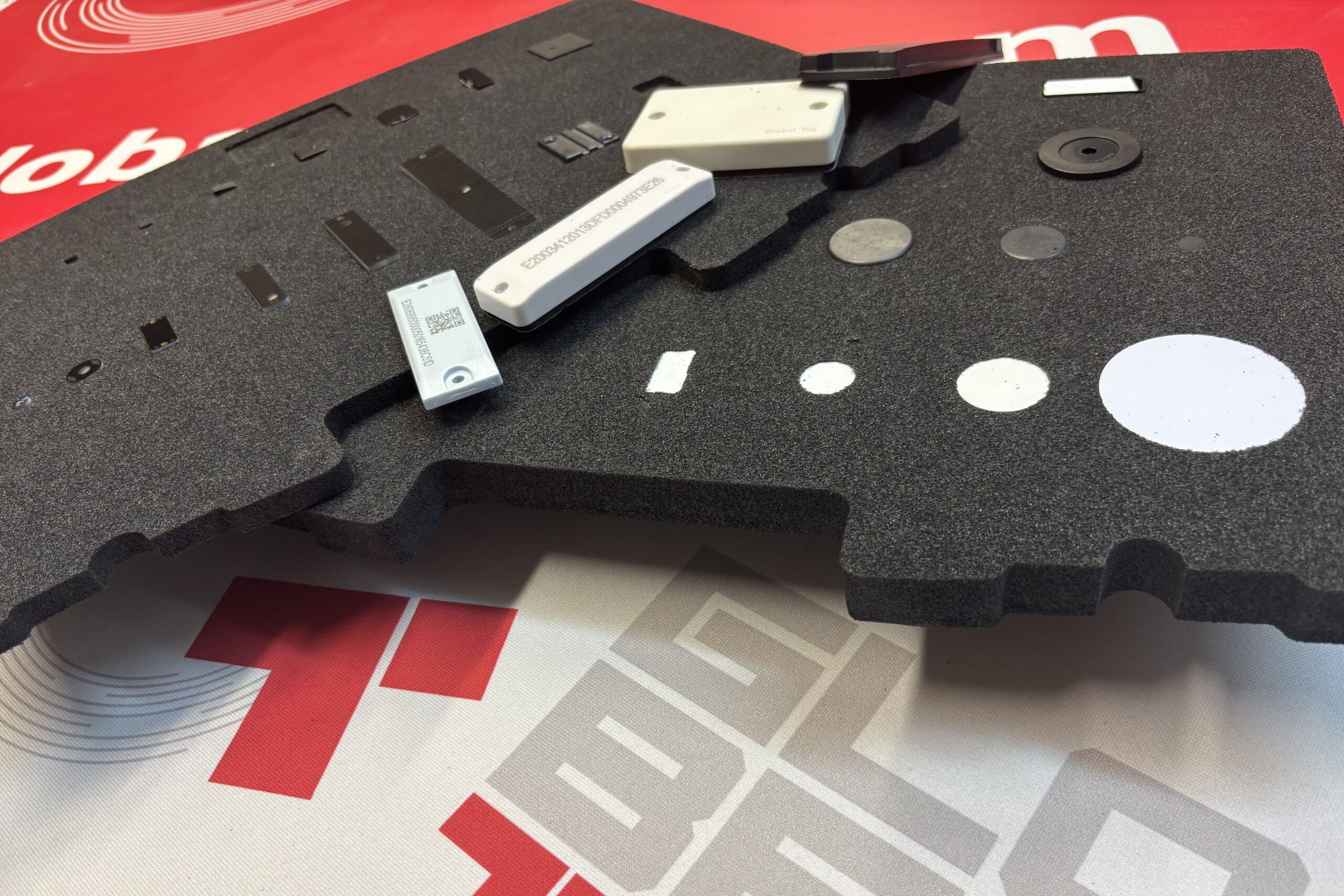
Explore our range of On-Metal RFID hard tags
HF or UHF On-Metal Tags: Which One Should You Choose?
Once it is clear that a tag specifically designed for metal surfaces is required, the next inevitable question is: HF or UHF? The choice mainly depends on the type of application and the operating environment.
HF technology is suitable when controlled, short-range reading is required. It is characterized by:
-
Shorter operating range but high precision
-
Targeted asset identification
-
Lower risk of accidental reads
-
NFC smartphone compatibility
For example, in maintenance operations, an HF On-Metal tag applied to a machine allows a technician to bring a reader or smartphone close to instantly access service information. It is also an effective solution for tools, critical components, or devices that require specific control.
UHF technology, operating between 860 and 960 MHz, is designed for applications where reading distance and simultaneous management of multiple tags are key factors. It is distinguished by:
-
Longer read range
-
Simultaneous reading of multiple tags
-
Logistics process automation
-
Ideal for metal pallets, containers, and industrial racks
If the goal is to automatically track dozens or hundreds of assets as they pass through a gate or reading zone, UHF is the most suitable option. Conversely, for selective, proximity-based identification, HF is generally the better choice.
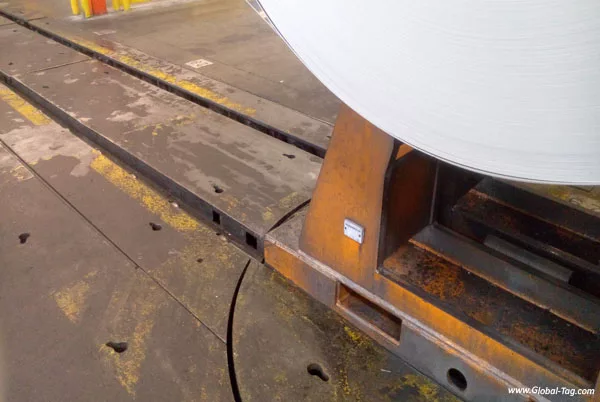

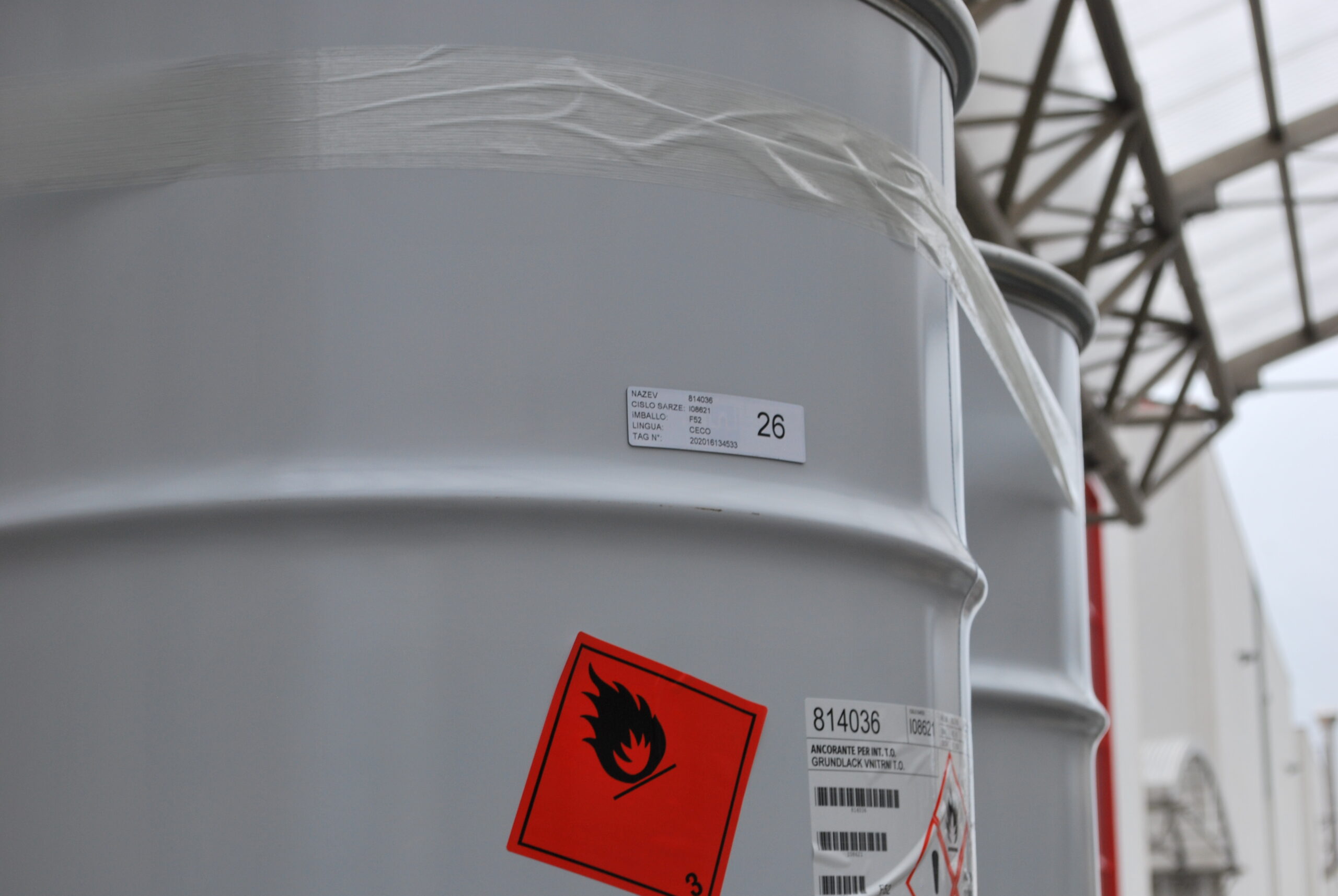


Real-World Applications of On-Metal Tags
In industrial environments, applications are numerous. On-Metal tags are used for asset management, tool and mold traceability, monitoring of metal shelves and containers, as well as the identification of electrical panels and plant components.
In the automotive sector, they are used to track metal parts throughout the production line. In the railway and energy industries, they enable the identification of structures and equipment subject to periodic maintenance. In industrial logistics, they facilitate the automation of material handling on metal supports without compromising reading performance.
In all these cases, selecting the right tag depends not only on frequency, but also on size, operating environment, mounting method, and durability requirements.
The Range of On-Metal RFID and NFC Tags
Within our On-Metal solutions portfolio, we offer options designed to cover a wide range of industrial needs, from long-range UHF applications to HF and NFC tags for short-range identification on metal surfaces.
For small metal components where space is limited, models such as Tiny In-Metal and Microty allow RFID technology to be integrated without compromising performance on metal.
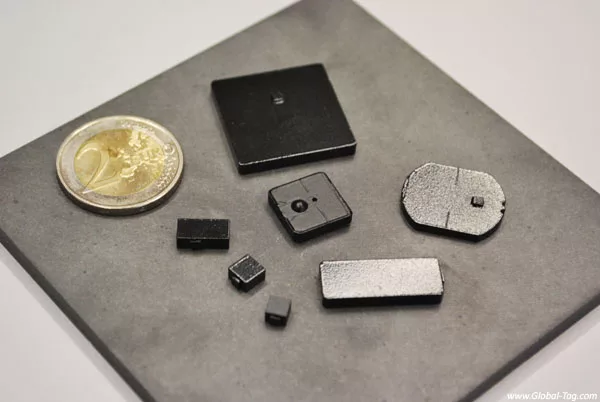
In-Metal Tiny Family
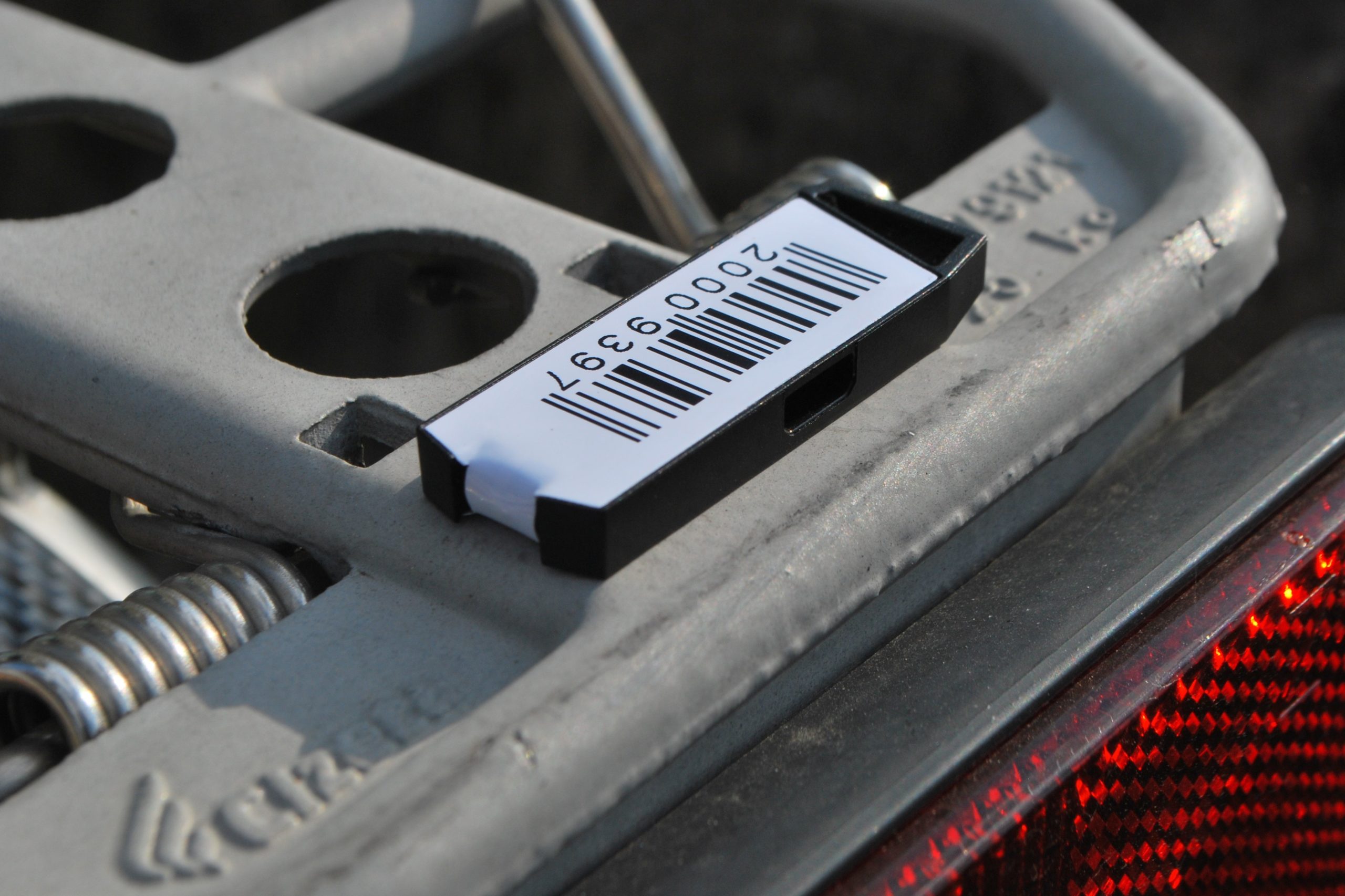
RFID Microty On-Metal
When the environment is more demanding and requires greater structural robustness, the Hardy line and the Raptory Rugged model provide UHF solutions designed for stable, long-term installations, including mechanical mounting options.
Within this group, T-Rexy also stands out—an IP68-rated On-Metal tag engineered for harsh industrial environments and available in dual-frequency versions, making it a versatile and durable option when long-term reliability is a key requirement.
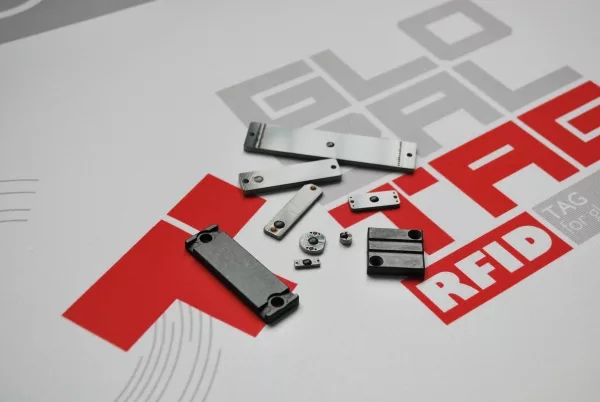
On-Metal Hardy Family
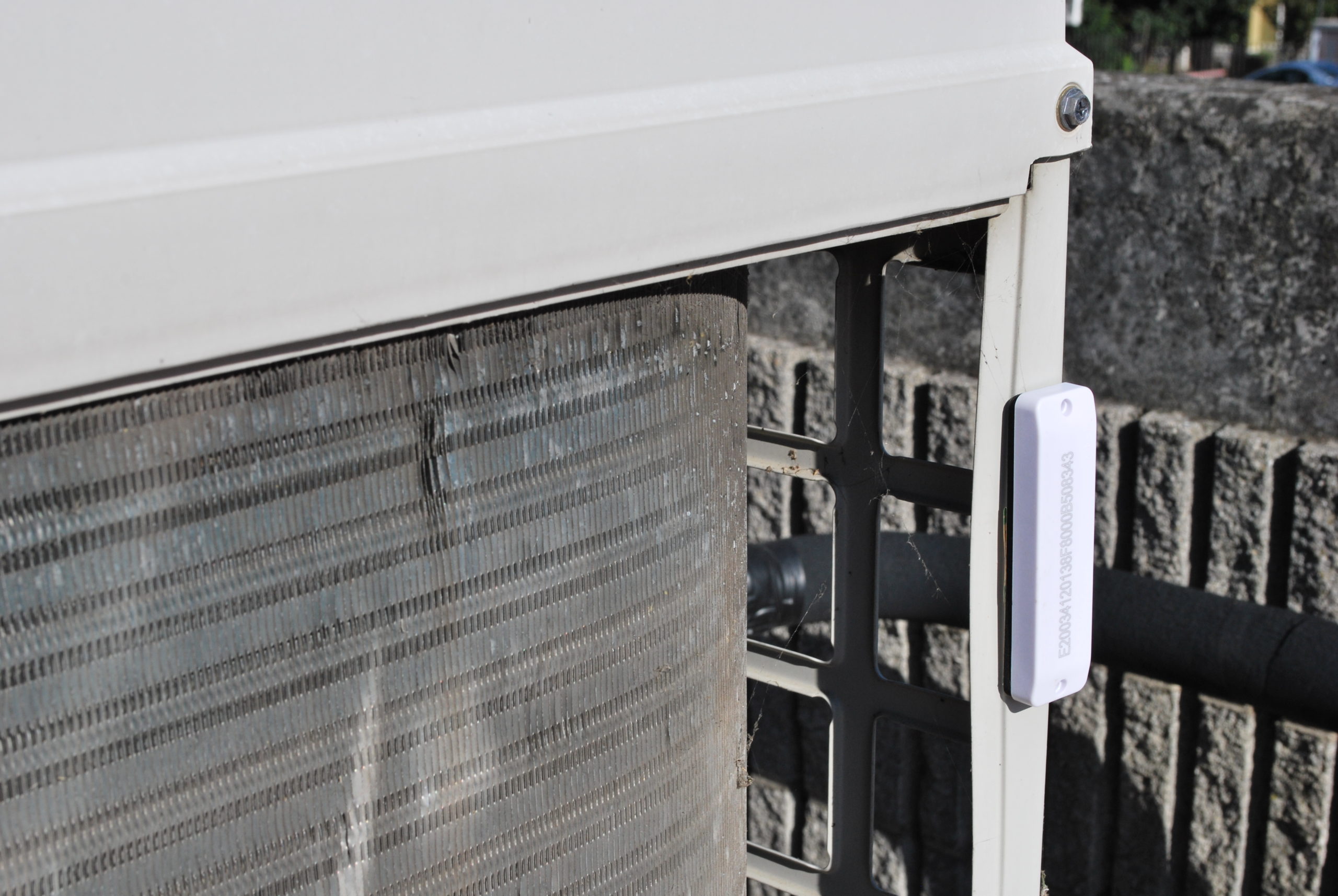
RFID Raptory Tag
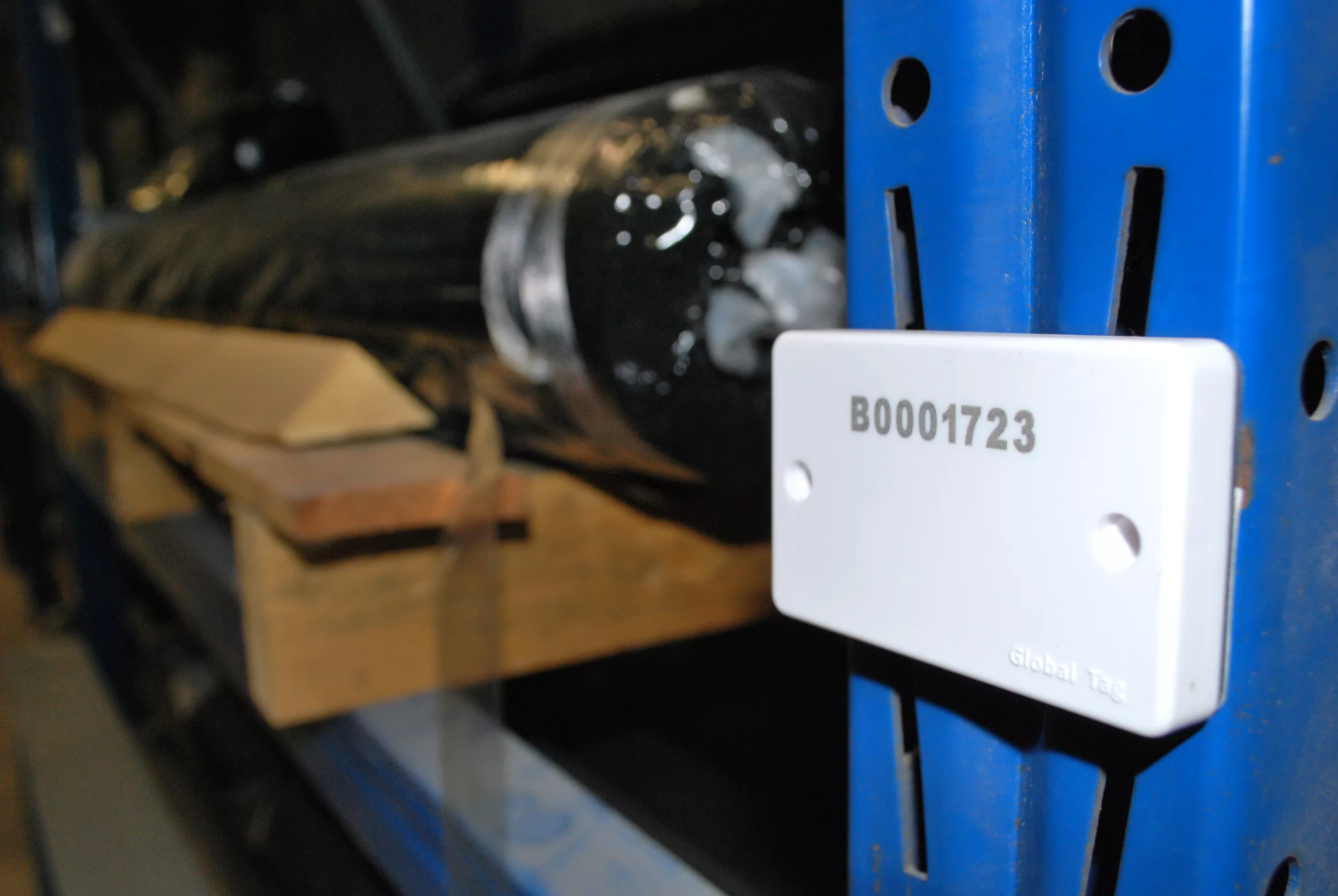
T-Rexy Multifrequency
For applications where read range is a determining factor—such as containers, shelving systems, or assets moving across large areas—the Long Range On-Metal tag, with a reading distance of up to 20 meters, ensures high performance even on extensive metal surfaces.
Within the HF range, for controlled proximity reading and NFC smartphone compatibility, solutions such as the HF Rugged Tag for metal surfaces and the PVC On-Metal Tag are available. These are ideal for maintenance tasks and targeted identification. A dual-frequency HF + UHF version is also available for projects that require combining short- and long-range reading within the same system.
For environments where maximum environmental protection is essential, the range also includes Tokky34, a rigid On-Metal token with IP68 protection, suitable for both indoor and outdoor installations, and mountable using screws, rivets, or industrial adhesive.
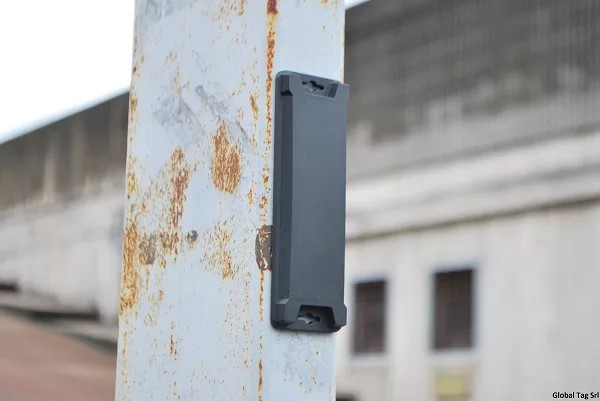
Long Range On-Metal
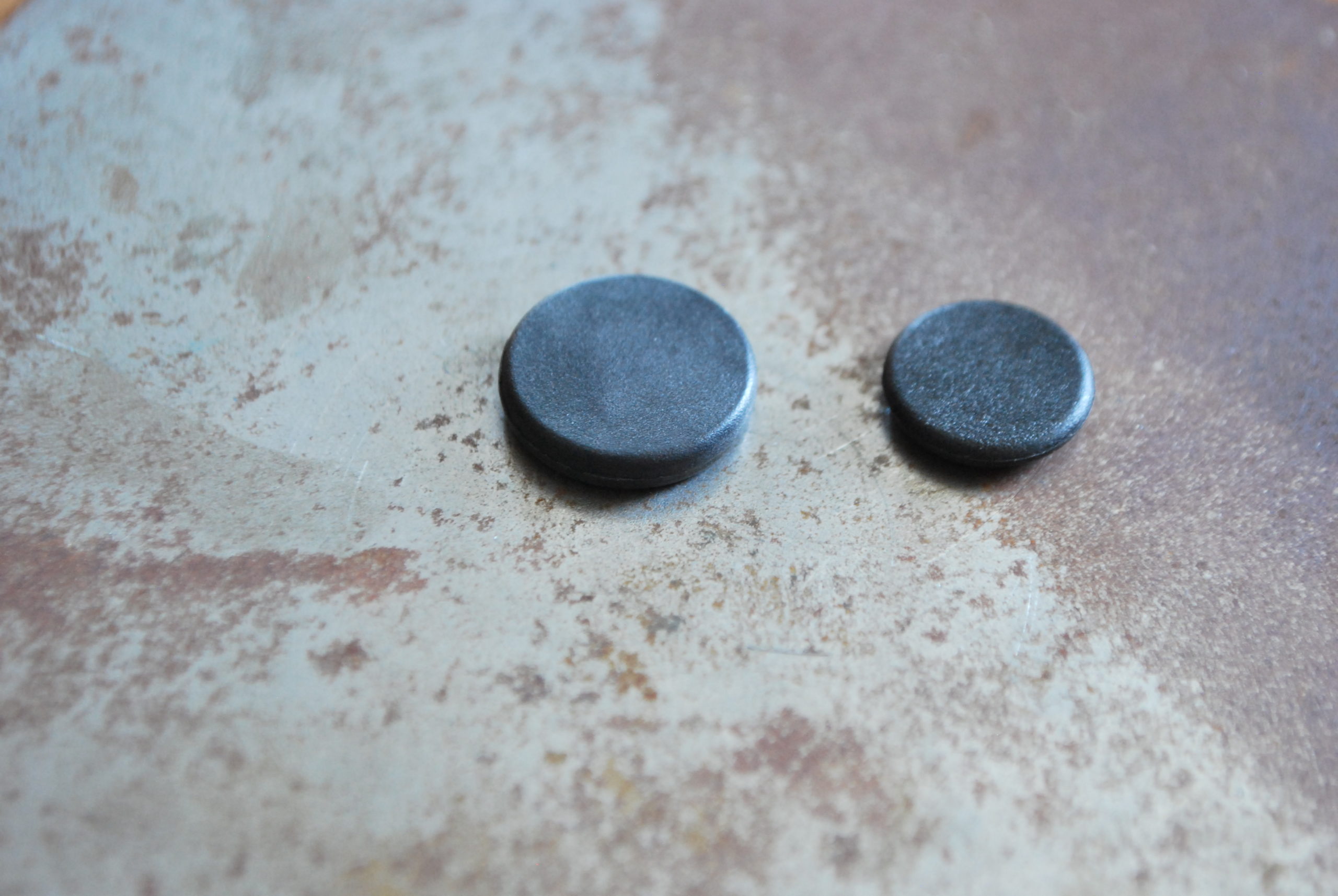
On-Metal HF Rugged
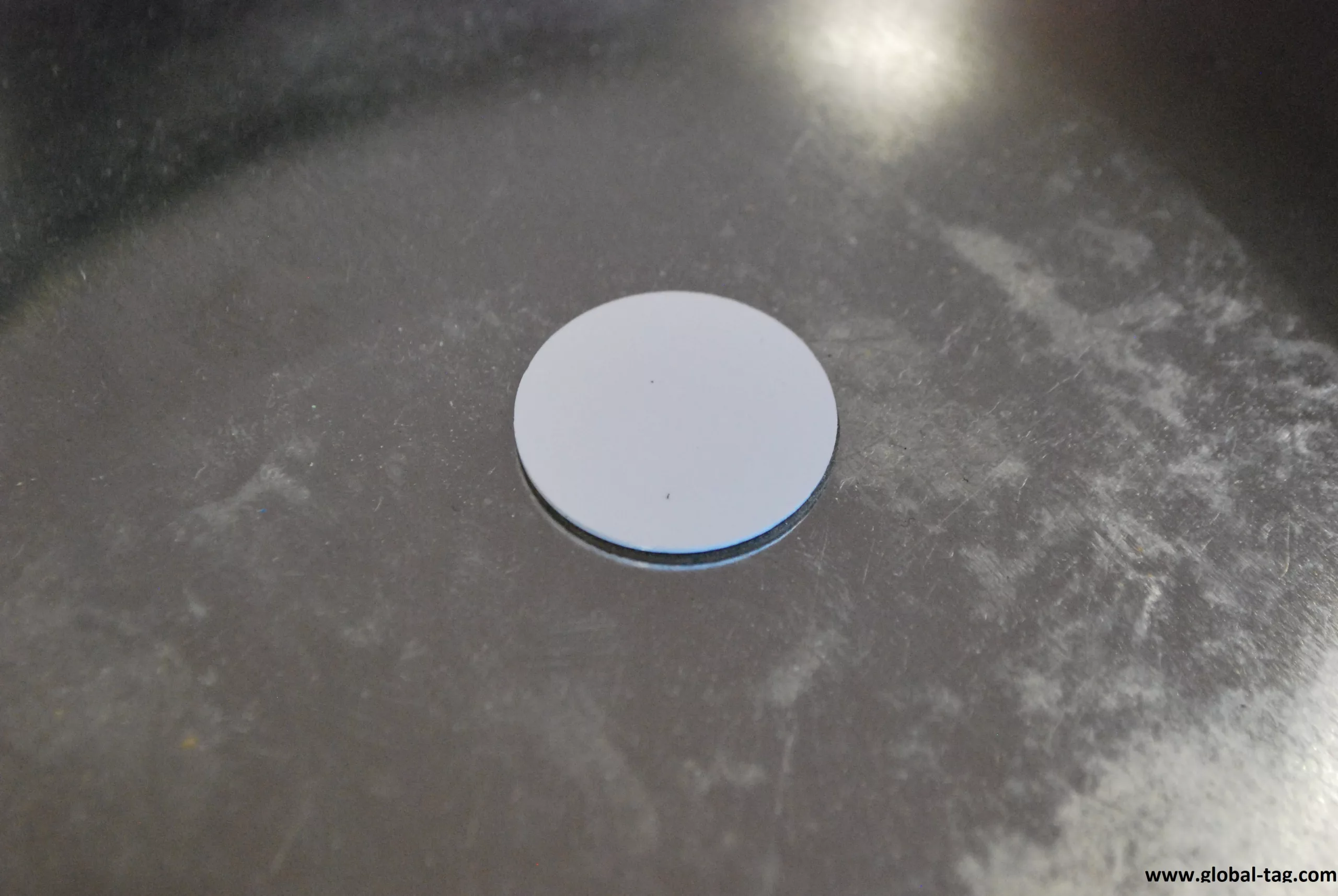
RFID On-Metal PVC Tag
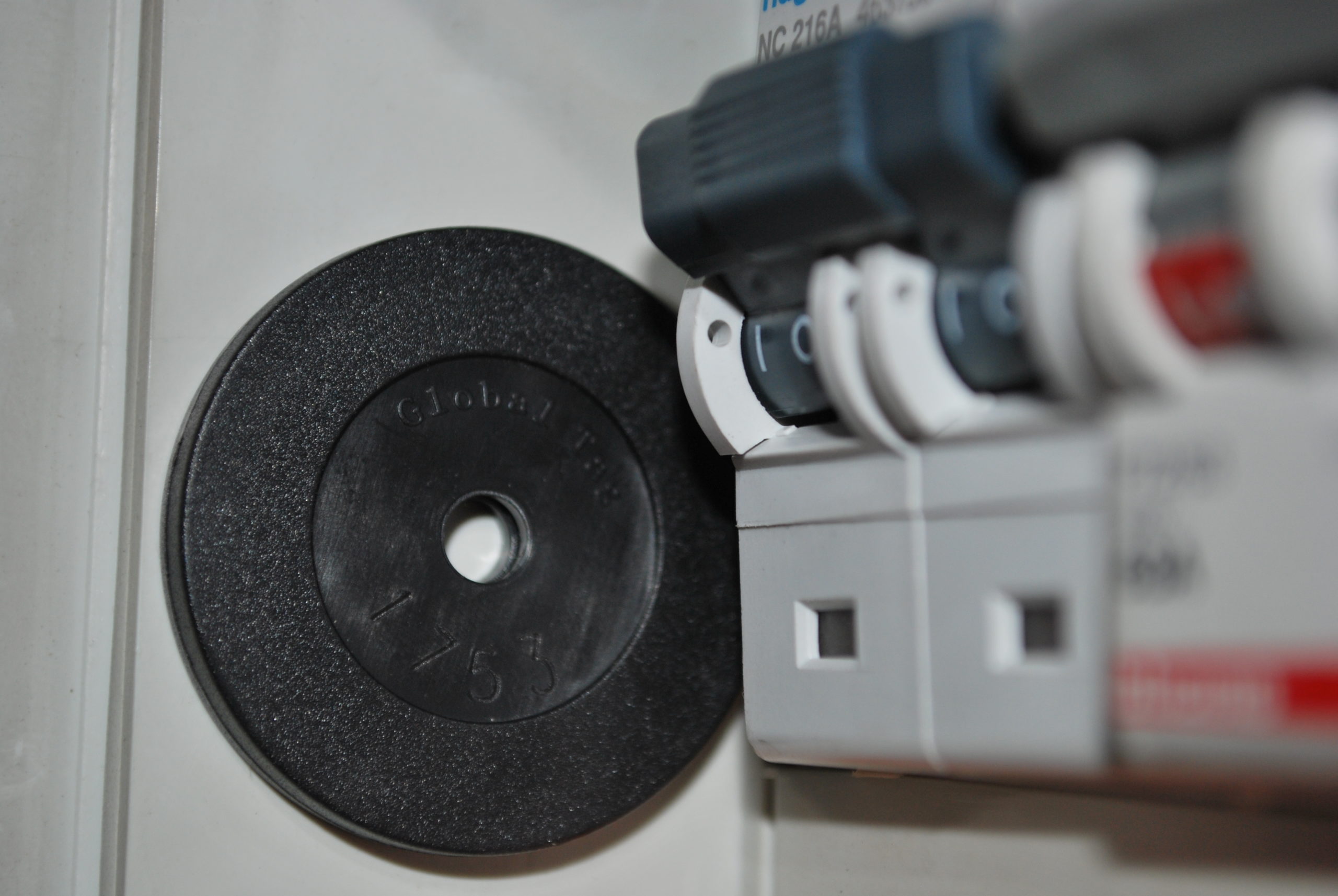
RFID Token Tokky34
In addition to hard tags, the range includes UHF RFID labels for metal, designed to operate directly on metal surfaces thanks to an integrated insulating layer, as well as HF RFID labels for metal compatible with ISO15693, ISO14443, and NFC standards.
These labels provide a thinner and more flexible alternative compared to rigid tags, making them particularly suitable when integration into labeling processes is required or when a more discreet installation profile is preferred.
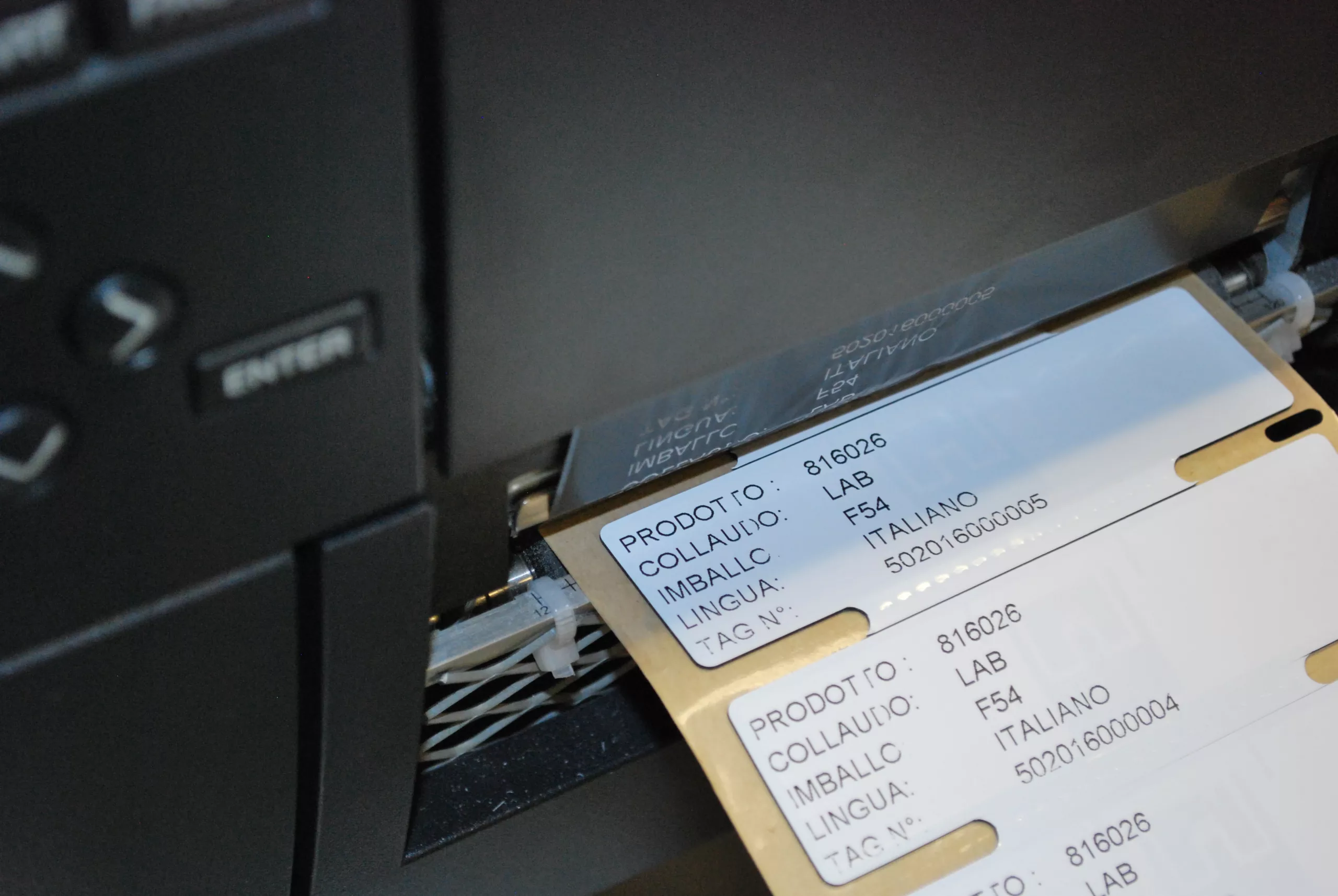
RFID UHF ON-Metal Labels
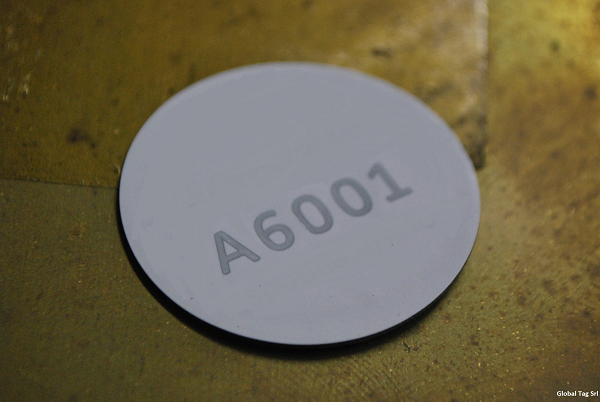
RFID HF ON-Metal Label
The range therefore includes rugged models, miniaturized versions, long-range solutions, and HF/NFC variants—all designed to ensure reliable performance and operational continuity even in the most demanding industrial environments.
do you want to know more?